
6 Fascinating Facts About Soap

Soap is something we use every day, yet many of its qualities are misunderstood. From how it cleans to how it feels on the skin, soap often carries myths that deserve a closer look. Here are a few factual insights that may change how you see your soap bar.
1. One of the oldest skincare products in history
Soap has been used for over 4,000 years. Ancient civilisations, such as the Babylonians and Egyptians, made early forms of soap using natural fats and ash—not just for cleaning textiles, but for personal hygiene too. Modern handmade soap still follows the same fundamental chemistry, just refined with better ingredients. There is something quite lovely about the fact that when you use a bar of soap today, you are taking part in a tradition that dates back thousands of years.
2. Soap cleans through chemistry, not harshness
Soap molecules have a unique structure: one end binds to water, while the other binds to oil and dirt. When you rinse, these molecules lift impurities from your skin and carry them away. This is why a good soap is effective without the need for aggressive scrubbing or harsh chemicals. It does the hard work for you.
3. The truth about hygiene (and why bars are safe)
A common myth is that bar soap is less hygienic than liquid soap because it is "exposed" to the air. In reality, scientific studies have shown that bar soap does not transfer bacteria to your skin during use.
The secret lies in the soap's natural composition. Because of how it is made, soap creates an environment where bacteria simply do not want to live or grow. When you lather up under running water, any germs on the surface are trapped by the soap and rinsed safely down the drain.
Unlike synthetic detergents, soap is naturally self-cleansing. While it is true that soap has a higher pH than your skin (which is why it is so good at breaking down dirt and oils), a well-formulated bar is balanced with nourishing fats. This means you get a deep, hygienic clean that is still respectful of your skin's health.
Health authorities agree that the most important part of hygiene isn't the format of the soap, but the action of washing—the rubbing, lathering, and rinsing.
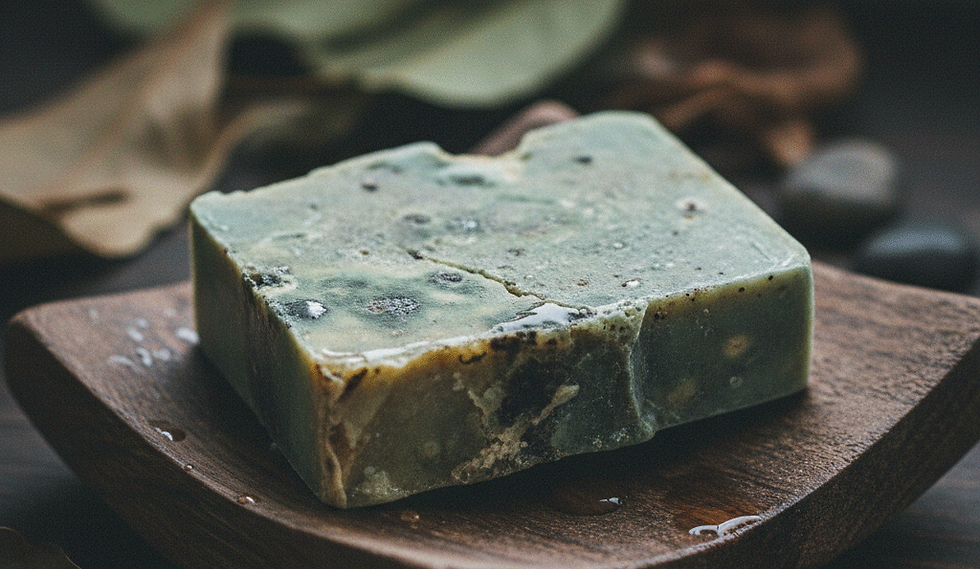
A pro-tip for your bathroom: To keep your soap at its best, we recommend using a soap dish with good drainage. If your soap can dry out between uses, it stays firm, lasts longer, and remains perfectly clean for the next time you need it.
4. That “clean” feeling is a good thing
Many people notice that soap leaves the skin feeling very clean, while liquid body washes often feel slippery. This often leads to the assumption that soap is "harsh," but it is actually down to how they are made. Liquid washes often contain synthetic ingredients that leave a film on the skin to create a silky sensation. Soap, however, rinses away completely, removing excess oils and residue without masking your skin’s natural texture. With a well-formulated, oil-rich soap, your skin is simply free from build-up and able to breathe.
5. Soap naturally contains glycerine
During the traditional soap-making process, glycerine is formed naturally. Glycerine is a "humectant," which means it attracts moisture and helps keep your skin hydrated. In high-quality, handmade soap, this glycerine stays in the bar. This results in a balanced cleanse that cares for your skin rather than drying it out.
6. A harder bar is a better bar
When a bar of cold process soap is first made, it needs time to "cure." This is a resting period where excess water evaporates, making the bar harder and milder. We typically allow our soaps to rest for several weeks before they reach you. The benefit for you is simple: a well-cured bar lasts much longer, holds its shape, and won’t turn to "mush" in your soap dish. It makes every use feel smoother and more consistent.


Comments