
Do Natural Soaps Expire? Understanding Shelf Life
When switching to natural soap, it’s natural to wonder: does soap expire? Unlike commercial soaps that rely on synthetic preservatives, handmade natural soaps have a more natural lifespan. That said, when made thoughtfully and stored correctly, they can remain safe and effective for a long time.
Here’s how natural soap ages, what changes are normal, and how to care for it properly.
How Long Does Natural Soap Last?
Most natural soaps last between 6 months and 2 years, depending on several everyday factors:
Ingredients – Soaps with a higher percentage of unsaponified oils (superfat) or oils that oxidise easily (e.g. Sunflower oil) may deteriorate faster over time.
Essential oils – Natural scents gradually soften over time, but this does not affect the soap’s cleansing ability.
Storage – Heat, humidity, and direct sunlight can shorten a soap’s lifespan.
A well-cured soap, rested for at least 4–6 weeks by the soap makers, will generally last longer, feel milder on the skin, and lather more beautifully.
What Changes Are Normal — and What Are Not?
Natural soap can change with time, and not all changes mean there is a problem.
Normal Changes
A lighter scent – It is normal for essential oil to fade gradually. This does not mean the soap is unsafe or ineffective.
Slight colour variation – Natural ingredients can shift subtly over time.
Signs a Soap Should No Longer Be Used
Rancid or sour smell – This indicates the oils have deteriorated.
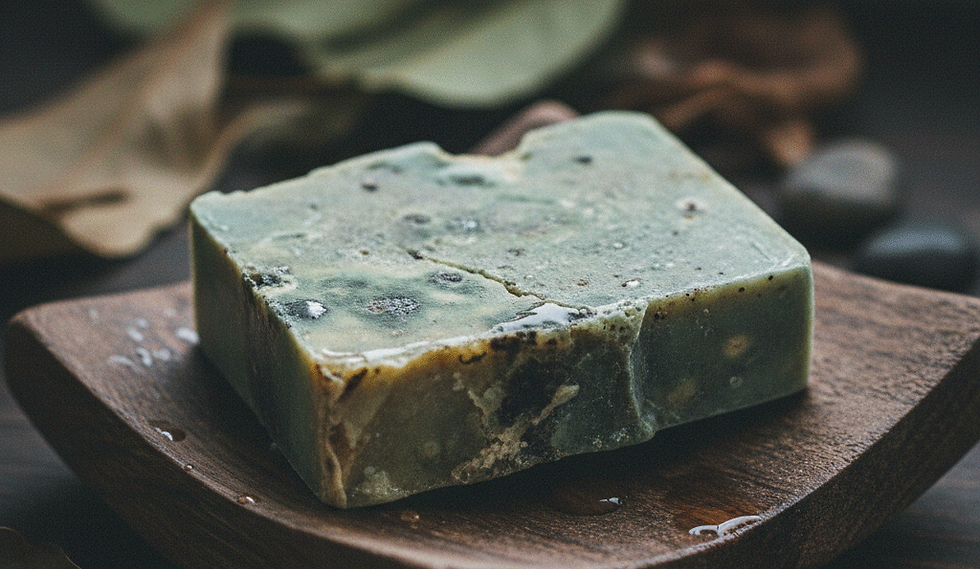
Unusual spots or visible mould – Often caused by prolonged exposure to moisture.
Unpleasant texture – Excessive stickiness, sliminess, or crumbling can signal degradation.
If a soap still smells clean and looks normal, it is generally fine to use—even if the scent is lighter than before. If it smells unpleasant or shows visible mould, it should be discarded.
How to Store Natural Soap for Maximum Freshness
Good storage makes a noticeable difference.
Before Use
Keep unused soaps in a cool, dry place, away from sunlight.
Store them in breathable packaging such as paper or fabric.
Avoid airtight plastic, which can trap moisture.
During Use
Use a well-draining soap dish so the bar can dry between washes.
Avoid leaving soap sitting in running water during showering.
If you have larger bars, consider cutting them into smaller pieces and using one at a time.
Can Older Soap Still Be Used?
Yes. If a soap looks normal and smells clean, it is usually still safe and effective, even if it is no longer newly made. However, soap that smells rancid or shows mould should not be used and should be disposed of responsibly.
Soaps that are simply older—but still stable—can also be used for non-skin purposes such as handwashing or general household cleaning.
Final Thoughts
Natural soaps are not designed to last forever—but that is part of their honesty. With thoughtful formulation, proper curing, and good storage, they can remain fresh and effective for months or even years.
Understanding how natural soap ages allows you to use it with confidence, care for it properly, and enjoy it at its best—just as it was intended.


Comments