
Debunking Common Soap Myths: What You Need to Know

Soap is one of the most essential personal care products, yet there are many misconceptions about how it works, what makes a good soap, and what’s best for your skin. Let’s clear up some of the most common soap myths once and for all!
Myth #1: All Soaps Are the Same
False! Not all soaps are created equal.
Many commercial soaps are not actually "soap" but synthetic detergent bars containing harsh surfactants, artificial fragrances, and preservatives. In contrast, true cold process soaps are made with natural oils and butters, creating a skin-friendly, moisturizing bar that gently cleanses without stripping the skin.
Look for: Cold process soaps with high-quality natural ingredients, free from synthetic detergents and unnecessary additives.
Myth #2: Natural Soap Doesn’t Clean as Well as Commercial Soap
False! Natural soap is just as effective, if not better, at cleansing.
Soap works by breaking down oils and lifting dirt from the skin. Whether it's natural or commercial, the cleaning action comes from the process of saponification—the reaction of oils and lye to form soap and glycerin.
Fact: The key difference is that natural soap cleans without harsh chemicals that can disrupt the skin’s natural barrier.
Myth #3: More Lather Means Better Cleaning
False! Lather does not determine how well a soap cleans.
Many commercial soaps contain sodium lauryl sulfate (SLS) or other artificial foaming agents that produce excessive bubbles. While lather can be satisfying, it does not mean the soap is working better—it’s just a visual effect.
Fact: Natural soaps produce a creamy, luxurious lather from plant-based oils like coconut and castor oil, which cleanse effectively without drying the skin.
Myth #4: Soap Dries Out Your Skin
Partially True. Some soaps can be drying, but not all.
Harsh commercial soaps strip the skin of its natural oils, leaving it dry and tight. However, cold process soap retains natural glycerin, which is a powerful humectant that helps keep skin moisturized.
Look for: Handmade soaps with nourishing oils like olive, shea butter, and avocado oil for extra hydration.
Myth #5: Antibacterial Soap is Better for Killing Germs
False! Regular soap is just as effective.
Antibacterial soaps contain triclosan or other antimicrobial agents, which can contribute to antibiotic resistance and may disrupt the skin's microbiome. The mechanical action of washing with soap and water is enough to remove bacteria and viruses.
Fact: Washing thoroughly for at least 20 seconds with any good soap is the most effective way to clean your hands.
Myth #6: Glycerin Is Added to Soap
False! Glycerin is naturally produced during soap making.
Glycerin is naturally produced during the saponification process in cold process soap. It is a powerful humectant that helps attract moisture to the skin, making the soap more hydrating. Unlike some mass-produced soaps that may have added glycerin, cold process soaps naturally retain the glycerin formed during soap making, contributing to their gentle and moisturizing properties.
Fact: Glycerin-rich soap helps keep skin hydrated, making it ideal for dry and sensitive skin.
Myth #7: Soap Should Last Forever
False! Natural soap does dissolve over time, but that’s normal.
Unlike commercial bars that contain hardening agents and fillers, natural soap is free from synthetic stabilizers. With proper care, a handmade soap bar can last weeks or even months with regular use.
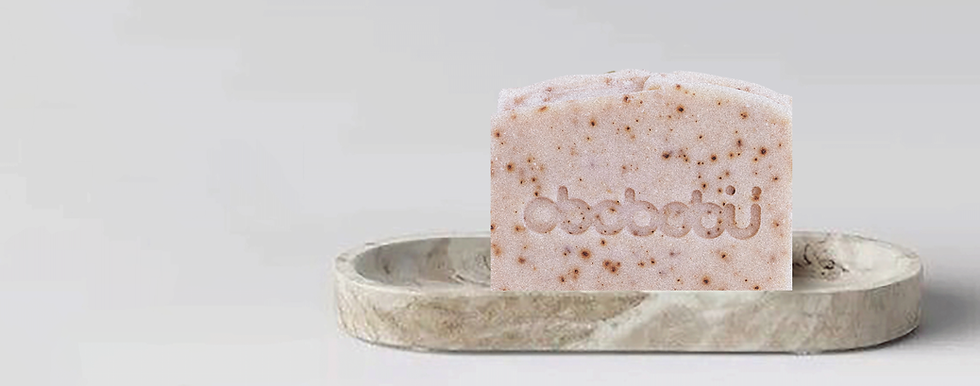
Pro Tip: Store your soap on a well-draining dish and let it dry between uses to extend its life.
Final Thoughts: The Truth About Soap
Now that these myths are debunked, you can make informed choices about the soap you use daily. Natural cold process soaps provide gentle cleansing, skin-nourishing ingredients, and eco-friendly benefits—all without the harsh additives found in many commercial brands.
Comments